
The situation
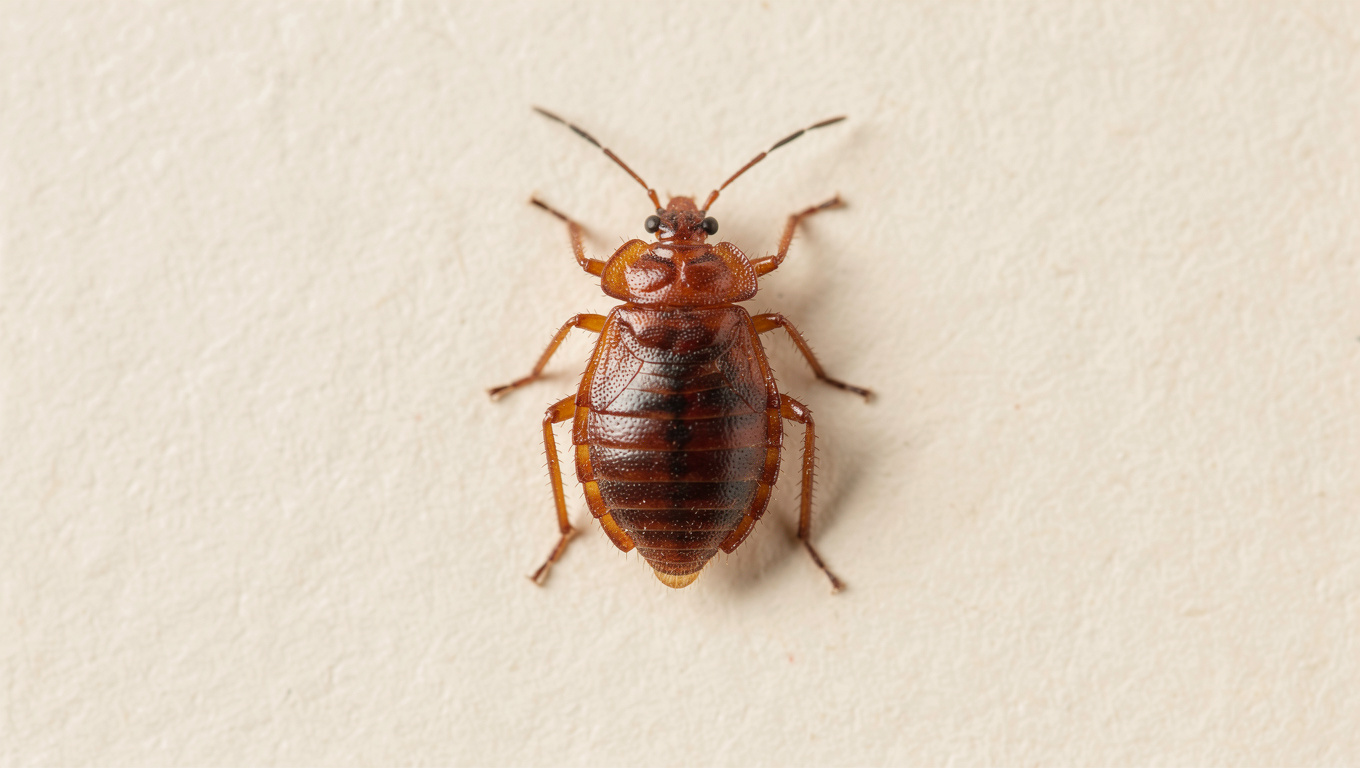
Building owner received bed bug complaints from unit 3 in early September, the peak of student rental turnover. Initial investigation found confirmed bed bugs in units 3 and 4 (adjacent), plus sticky monitor captures in unit 2. Previous pest contractor had recommended chemical treatment of the affected units only, with a follow-up in two weeks and another in four weeks. Owner was concerned about the 6-week disruption to student tenants and the near-certain spread to remaining units during the protracted chemical protocol. Called us for a second opinion.
The assessment
Full building survey over one evening. Confirmed bed bug activity in units 2, 3, 4. Sticky monitor captures suggested early-stage spread to unit 5 (not yet visible to tenant). Units 1 and 6 showed no evidence but were flanking infested units and at high risk via shared-wall transit. Recommendation: single-day coordinated thermal treatment in all six units simultaneously. Upfront cost higher than unit-by-unit chemical; durable-fix likelihood substantially higher; operational disruption dramatically lower.
The intervention
Coordination: tenant communication letter 48 hours ahead with prep instructions (medications, electronics, sensitive items to remove). Treatment day: staged four thermal treatment teams across the building starting at 8am. Each unit heated to sustained 55°C for 6 hours with temperature verification at 4 grid points per unit. Sensitive item protection (pets housed at our partner boarding facility on the day, with owner paying the cost; electronics removed). By 8pm all six units were cool-down complete and inspection-cleared. Tenants returned to units the same evening.
The outcome
Zero bed bug detections in the building at 30-day, 60-day, 90-day, and 180-day re-inspections. Building owner re-marketed unit 3 (vacated by the original complaining tenant) with a full disclosure and transparent treatment record, which the replacement tenant appreciated. No ongoing tenant complaints in the building since treatment day. Total tenant life-disruption: one day, inclusive of treatment.
Why unit-by-unit chemical wasn't going to work
In a 6-unit building where bed bugs have already dispersed to three units, treating only the three visible-infestation units chemically leaves adjacent units as reservoirs for re-introduction. Chemical protocols also require the tenants to remain in treated units during the 4-week protocol, which is how secondary spread occurs via mattresses, clothing, and luggage. Single-day thermal kills every life stage in every unit simultaneously with one day of disruption — the tenant-friendly option is also the effective option for building-wide cases.
Customer outcome“My other option was a 6-week chemical plan in three units while the bed bugs kept spreading to the other three. The Wild Pest got all six units done in a single day, tenants slept in their own beds that night, and not a single bed bug has been reported since.”
Book your own assessment
Every job gets the same documentation standard — photos, findings, protocol, outcomes. 60-day pest guarantee plus 3-year exclusion warranty on every treatment.