
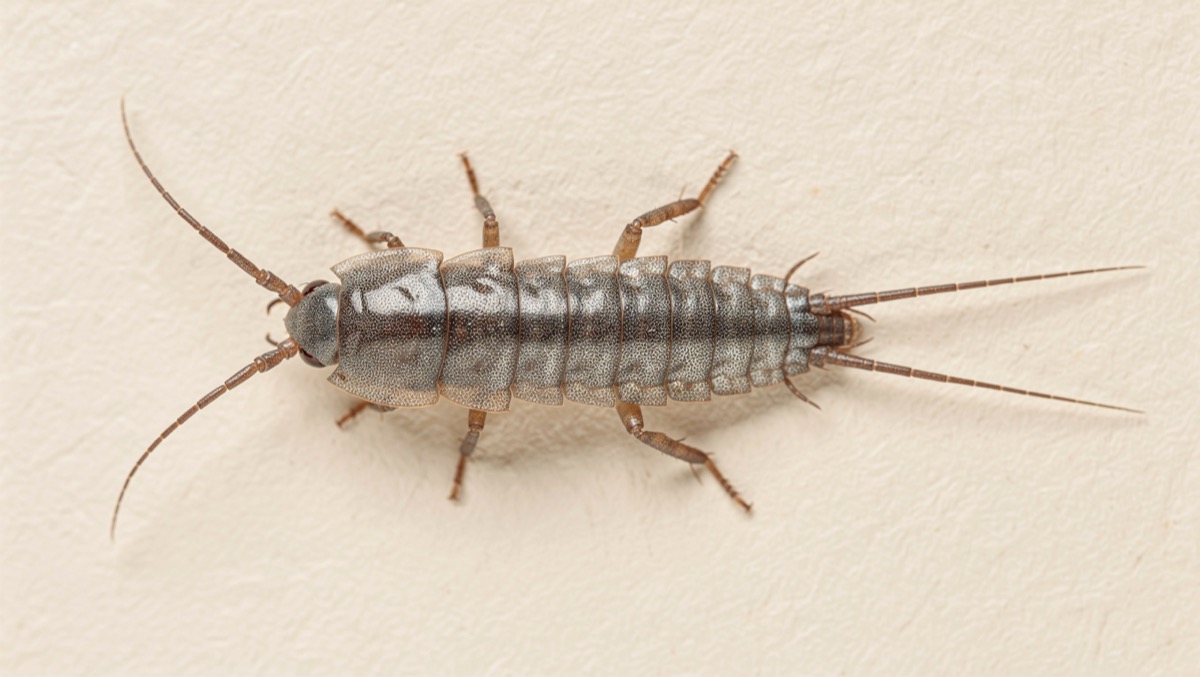
Why silverfish activity is specific to Newton
Newton silverfish activity is heavy due to housing-stock characteristics. Older detached homes (pre-1980s) with original basement concrete floors and aging plumbing provide baseline humidity favourable to silverfish. Basement-suite conversions often have inadequate moisture barriers and ventilation systems retrofitted from main-floor design. Multi-tenant homes with multiple bathrooms (each potentially failing in different ways) compound moisture issues. Storage habits in multi-generational households often include substantial paper, cardboard, and stored-fabric accumulation that provide silverfish food sources. Treatment requires both chemical control and identification of moisture failure points; the multi-unit context sometimes complicates landlord engagement for the moisture-management work that long-term solves the issue.
Local signs in Newton
- Heavy silverfish activity in basement-suite bathrooms and storage areas.
- Yellow staining on stored paper, books, and fabric items.
- Pepper-like droppings throughout basement-suite kitchen and bathroom.
- Multi-room presence in older detached homes converted to multi-tenant.
- Activity around inadequately-vented bathroom fans.
Seasonality in Newton
Newton silverfish activity is year-round at elevated baseline; peaks November-February with humid winter months.
What to do right now
If you're in a Newton basement suite or older multi-tenant home with persistent silverfish, book inspection that includes moisture-source identification — chemical treatment alone won't resolve the underlying conditions; the photo report documents what's needed for landlord/strata escalation.
Book Silverfish service in Newton
Same-day for active issues. Same-day arrival typical from our Sunshine Hills dispatch. Every treatment is documented with photos, a 60-day pest guarantee, and 3-year exclusion warranty.