
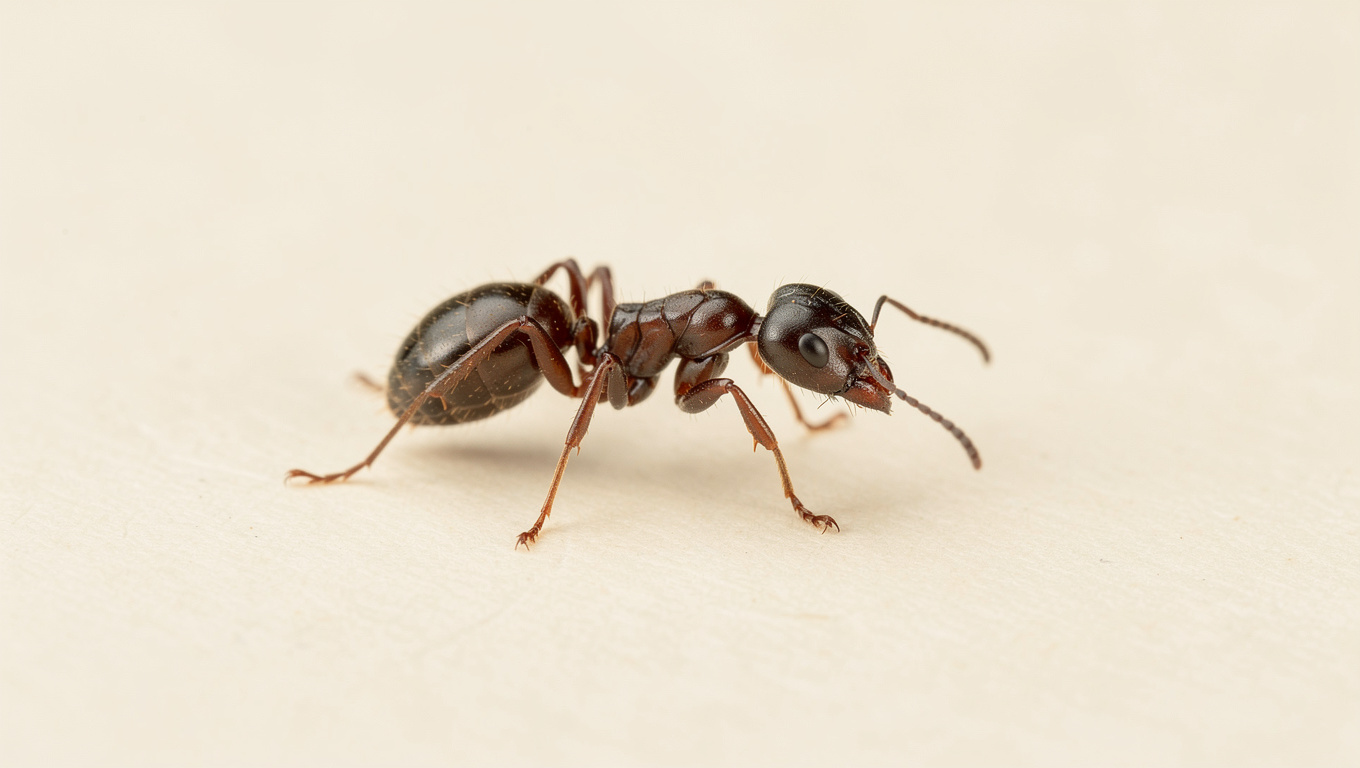
Why pavement ant activity is specific to Newton
Newton pavement-ant activity is intense because Newton's urban form maximises pavement-ant habitat. Continuous commercial concrete (parking lots, sidewalks, plaza pavers along King George Boulevard and 72 Avenue) provides massive colony-establishment surface area. Aging residential hardscape compounds. Food-service businesses produce continuous food-debris attractants that draw foragers from established colonies. Townhouse strata complexes have shared paver walkways and parking-stall dividers that harbour colonies serving the entire complex. Cultural food-prep habits (open dry-goods storage, spice cabinets, sweet-flavoured ingredients common in South Asian cooking) create attractant gradients inside homes that routinely draw foraging trails through utility-penetration gaps. We see Newton interior pavement-ant trails year-round, not just in summer.
Local signs in Newton
- Trails crossing apartment kitchen counters year-round.
- Foraging in pantries with open spice and dry-goods storage.
- Sand mounds at every 5-10 metres of paver walkway in townhouse stratas.
- Activity along basement-suite kitchen baseboards.
- Visible exterior colonies under commercial-corridor concrete adjacent to residential blocks.
Seasonality in Newton
Newton pavement ant activity is year-round; warmer summers see surface peaks but interior trails persist through winter in heated buildings.
What to do right now
If you're seeing pavement ant trails inside a Newton home or apartment, book inspection that includes both interior and exterior — single-side treatment is rarely sufficient given Newton's exterior colony density.
Book Pavement Ant service in Newton
Same-day for active issues. Same-day arrival typical from our Sunshine Hills dispatch. Every treatment is documented with photos, a 60-day pest guarantee, and 3-year exclusion warranty.