
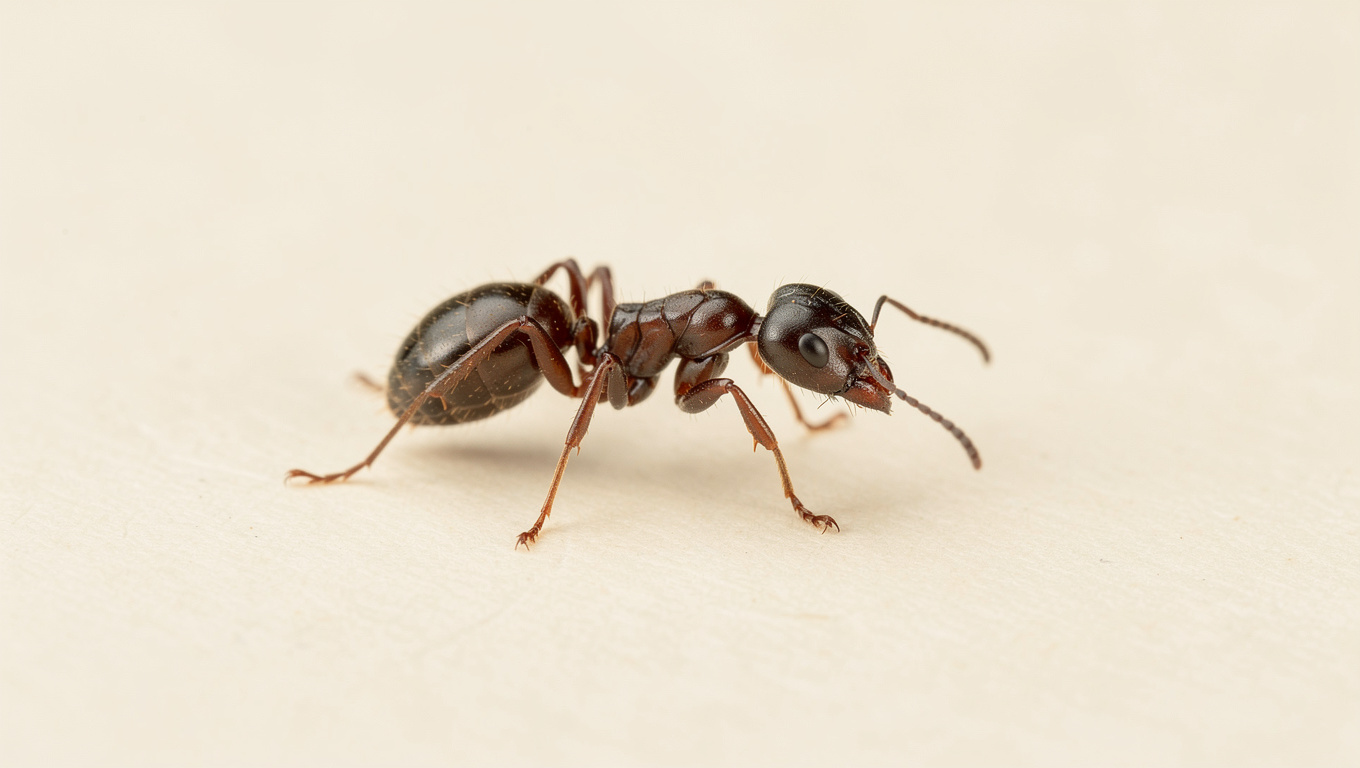
Why pavement ant activity is specific to Crescent Beach
Crescent Beach pavement-ant activity is dominated by exterior surface activity rather than interior establishment. Sandy coastal soil is excellent pavement-ant habitat — colonies establish under almost any patio paver, walkway concrete, or boardwalk-adjacent hardscape. The boardwalk seafood-restaurant and ice-cream-shop corridor produces baseline food-debris attractants that maintain large active colonies. Cottages with extensive paver patios, outdoor-shower bases, and stone landscape elements typically have multiple colonies on a single property. Interior trails are less common because cottage occupancy is seasonal — foragers don't establish persistent indoor patterns the way they do in continuously-occupied Surrey homes. Vacation-rental owners report ant-on-counter incidents at first occupancy of the season disproportionately often.
Local signs in Crescent Beach
- Sand mounds across cottage patio paver joints (visible the first day of seasonal occupancy).
- Trails along outdoor-shower bases and beach-equipment storage areas.
- Activity around boardwalk-adjacent restaurant patios.
- Foraging on cottage kitchen counters discovered at first occupancy.
- Visible colony excavation in sand under deck supports.
Seasonality in Crescent Beach
Crescent Beach pavement ant activity peaks May-September; surface activity higher than urban Surrey but interior establishment lower.
What to do right now
If you're discovering ant trails on your cottage counters at first occupancy of the season, book a pre-season exterior treatment — addressing the patio colony source before guests arrive prevents the bad-review event of mid-stay ant discovery.
Book Pavement Ant service in Crescent Beach
Same-day for active issues. Same-day arrival typical from our Sunshine Hills dispatch. Every treatment is documented with photos, a 60-day pest guarantee, and 3-year exclusion warranty.