
Why carpenter ant activity is specific to Crescent Beach
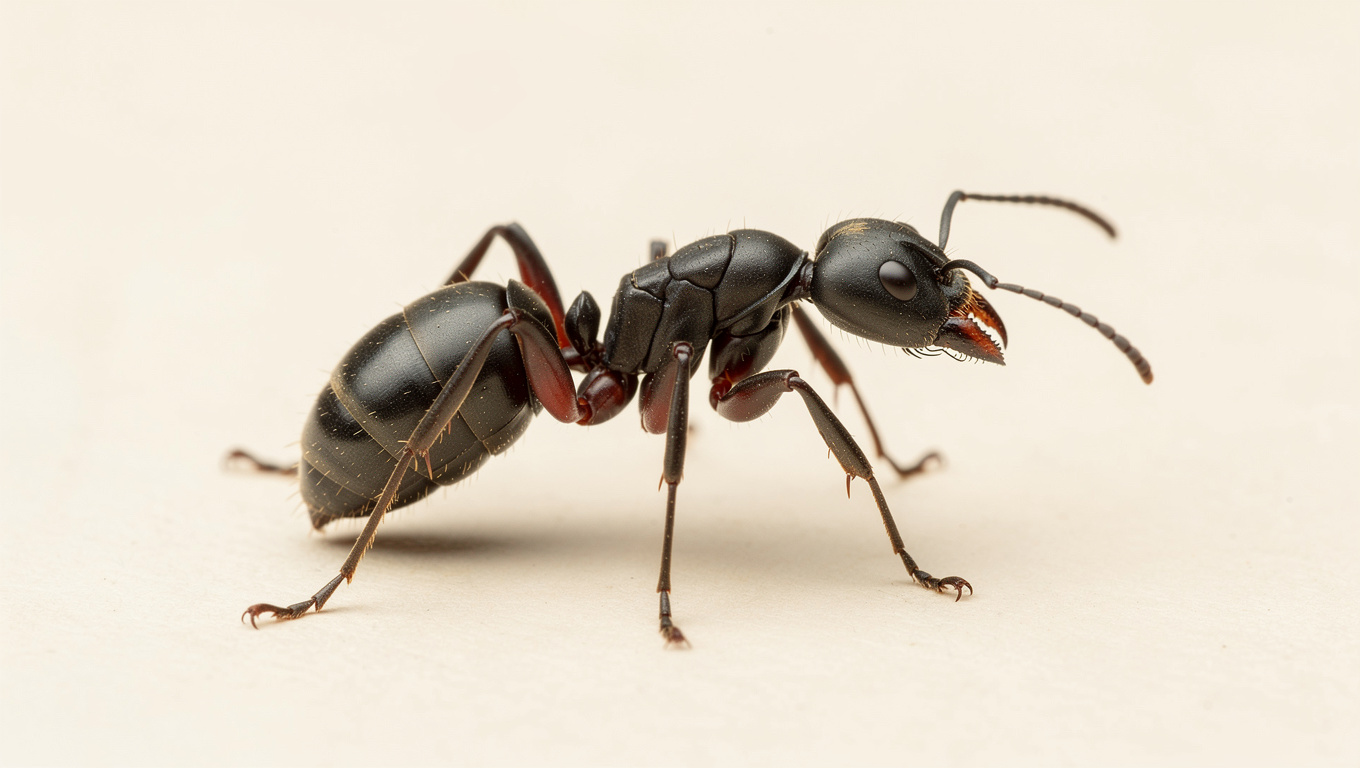
Crescent Beach is a perfect storm for carpenter ants. The housing stock is dominated by 1950s-70s small-format coastal cottages with original cedar-shake siding and roofs — materials at the absolute end of their service life and chronically damp from coastal humidity. Salt-air-accelerated wood rot creates moisture-soft cedar that Camponotus colonies excavate easily. The dyke-protected lowland geography keeps drainage stagnant. Mature trees in Crescent Park and the surrounding residential blocks produce parent colonies. Vacation-rental owners frequently discover carpenter ant issues mid-season when guests find frass on cottage decks or hear the night-time rustling of mature colonies in roof framing. We treat more carpenter-ant infestations per home in Crescent Beach than in any other service area — the housing stock just provides too much suitable habitat.
Local signs in Crescent Beach
- Heavy frass accumulation on cottage decks and patios beneath cedar-shake walls.
- Visible Camponotus galleries in rotted cedar siding corners and trim.
- Carpenter ant trails on cottage exteriors during warm summer evenings.
- Hollow-sounding cedar-shake walls (tap test reveals galleries).
- Swarmers inside cottage interiors during late April through May.
Seasonality in Crescent Beach
Crescent Beach carpenter ant activity is heavy April-October; many established colonies are large enough to maintain visible activity year-round.
What to do right now
If you own a Crescent Beach cottage or vacation rental with original cedar-shake exterior, book an annual carpenter-ant inspection — undetected colonies in cedar siding and roof framing produce the most expensive structural surprises in our service area.
Book Carpenter Ant service in Crescent Beach
Same-day for active issues. Same-day arrival typical from our Sunshine Hills dispatch. Every treatment is documented with photos, a 60-day pest guarantee, and 3-year exclusion warranty.