
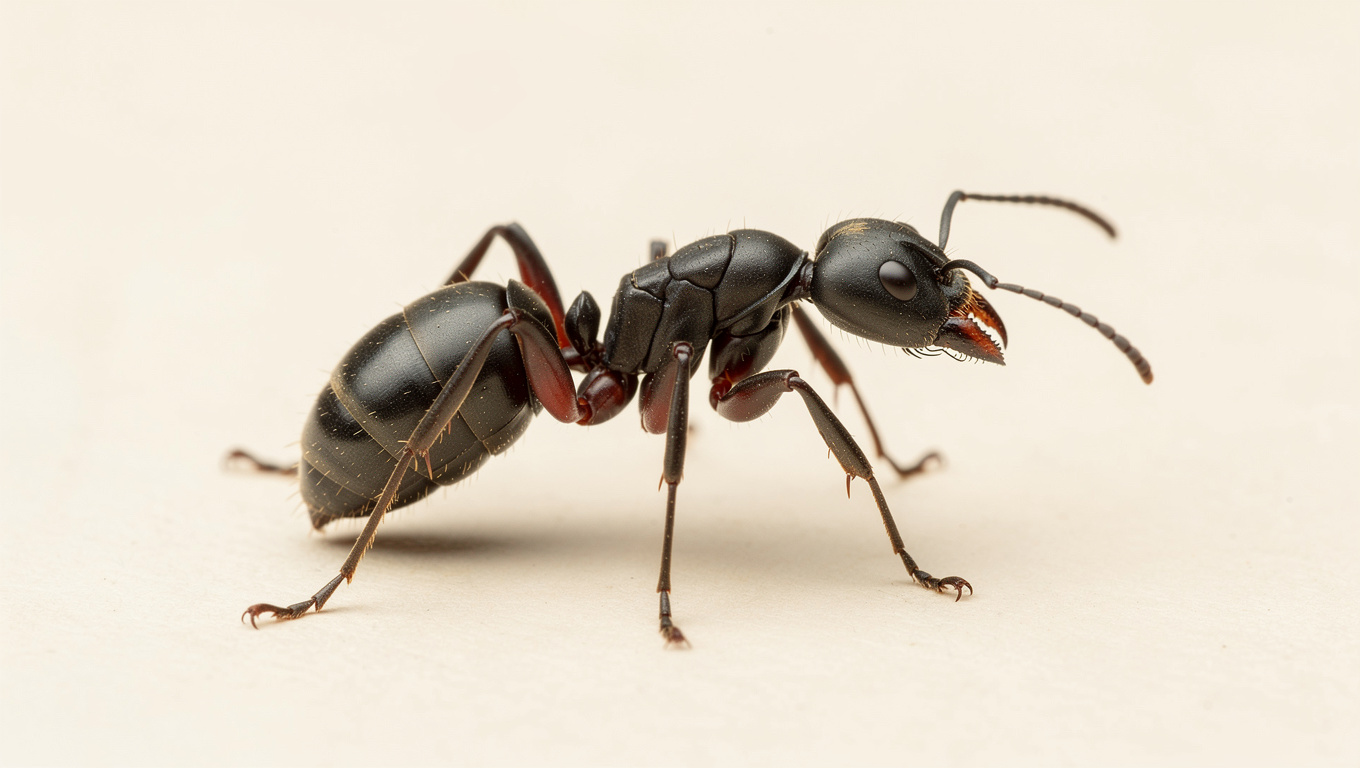
Why carpenter ant activity is specific to Fleetwood
Fleetwood carpenter ant activity has trended upward over the past decade as original 1980s-1990s landscape plantings (cedars, big-leaf maples, fruit trees) have matured into the 25-40 year range where they begin producing the dead-wood habitat parent colonies need. The housing stock's typical features — cedar fencing, attached cedar-clad decks, deep front porch overhangs — provide ample satellite-colony locations. Aging deck ledgers are the most common Fleetwood callout: ledgers with failed flashing develop carpenter ant galleries in the joist-band cavity within 5-7 years, and homeowners often discover the issue only when they renovate the deck. Cedar privacy fencing along 84 Avenue blocks (typical Fleetwood landscape feature) frequently harbours pavement-level colonies that establish satellite presence in the adjacent fence-post-anchored deck or porch.
Local signs in Fleetwood
- Frass at the base of deck ledger boards (between ledger and house wall).
- Carpenter ants in cedar fence-post bases adjacent to decks or front porches.
- Active trails along ground from mature backyard trees to foundation vents.
- Hollow-sounding deck ledger boards or deck rim joists.
- Swarmers inside near deck access doors in late April.
Seasonality in Fleetwood
Fleetwood carpenter ant activity peaks April-September; activity has risen with maturing original landscapes.
What to do right now
If your Fleetwood deck ledger feels soft, you've seen frass beneath the deck, or you're considering renovation, book a carpenter-ant inspection before tearing into the structure — what you find may change the renovation scope.
Book Carpenter Ant service in Fleetwood
Same-day for active issues. Same-day arrival typical from our Sunshine Hills dispatch. Every treatment is documented with photos, a 60-day pest guarantee, and 3-year exclusion warranty.