
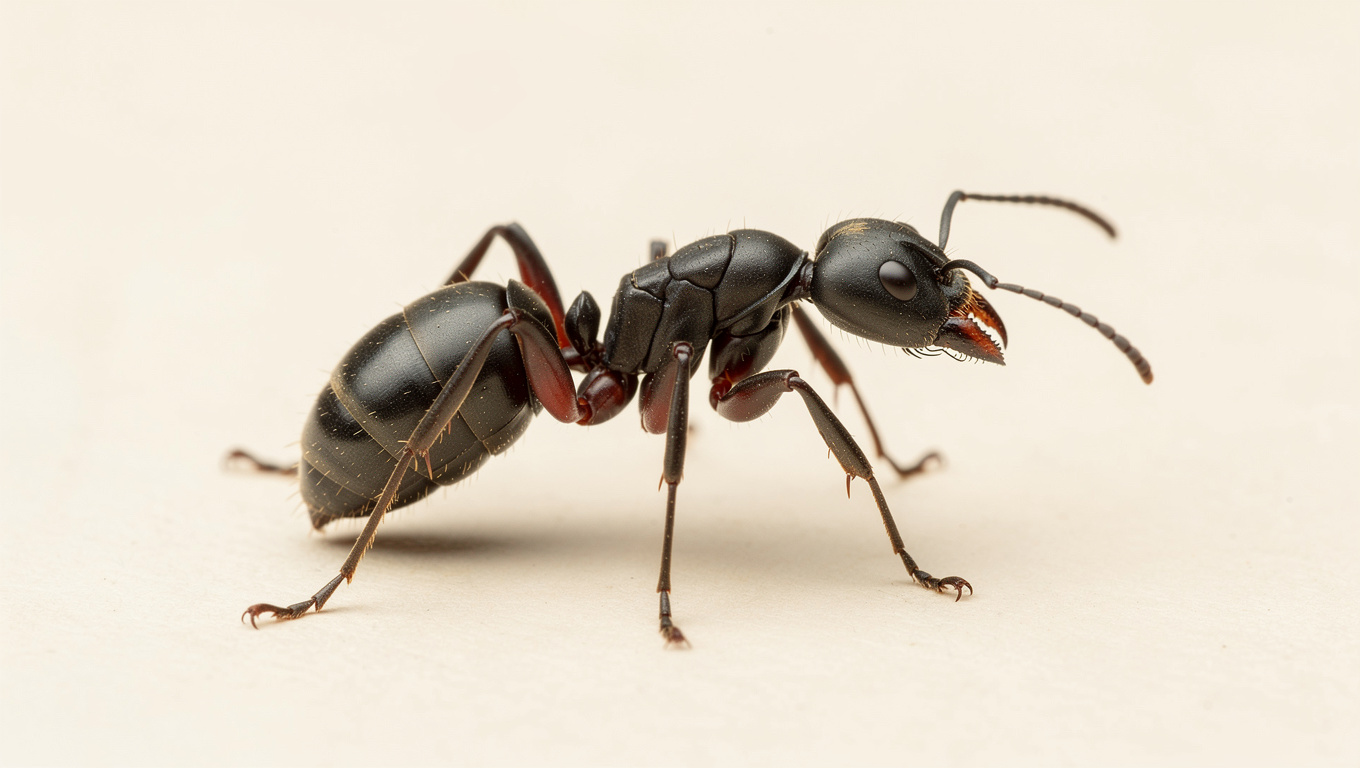
Why carpenter ant activity is specific to Sunshine Hills
Sunshine Hills is the Delta equivalent of Vancouver's Dunbar for carpenter ants — same tree canopy, same housing-stock vintage, same moisture signature. Mature Western red cedars and Douglas firs along streets east of 84 Avenue produce parent colonies in dead branches; satellite colonies establish in roof returns, deck ledgers, and window frames of homes with cedar shingles or original 1960s-80s wood-shake roofs. Watershed Park's drainage corridor adds ambient moisture that keeps roof decks damp through June. The result: Sunshine Hills callouts are dominated by genuine Camponotus infestations, not pavement-ant misidentifications. Older homes with failed kickout flashings or chronically plugged gutters are particularly vulnerable. We routinely find satellite colonies in soffit returns directly above kitchens, where steam from cooking provides supplemental moisture year-round.
Local signs in Sunshine Hills
- Coarse frass on patio stones and deck boards beneath roof returns and fascias.
- Large black ants foraging at night along cedar street trees on blocks east of 84 Avenue.
- Discarded swarmer wings on south-facing windowsills in late April through May.
- Hollow-sounding window frames or door jambs on west-facing elevations.
- Active trails from cedar tree bases to foundation vents during warm summer evenings.
Seasonality in Sunshine Hills
Sunshine Hills carpenter ant swarmer flights peak mid-April through late May; foraging activity peaks July through August when roof decking is warmest.
What to do right now
If you've seen frass, swarmers, or large black ants in Sunshine Hills, book a carpenter-ant inspection — the underlying moisture source matters as much as the ants themselves, and finding it requires a roof-line audit, not just a kitchen treatment.
Book Carpenter Ant service in Sunshine Hills
Same-day for active issues. 60-minute median arrival window inside the V4C postal code during business hours. Every treatment is documented with photos, a 60-day pest guarantee, and 3-year exclusion warranty.